
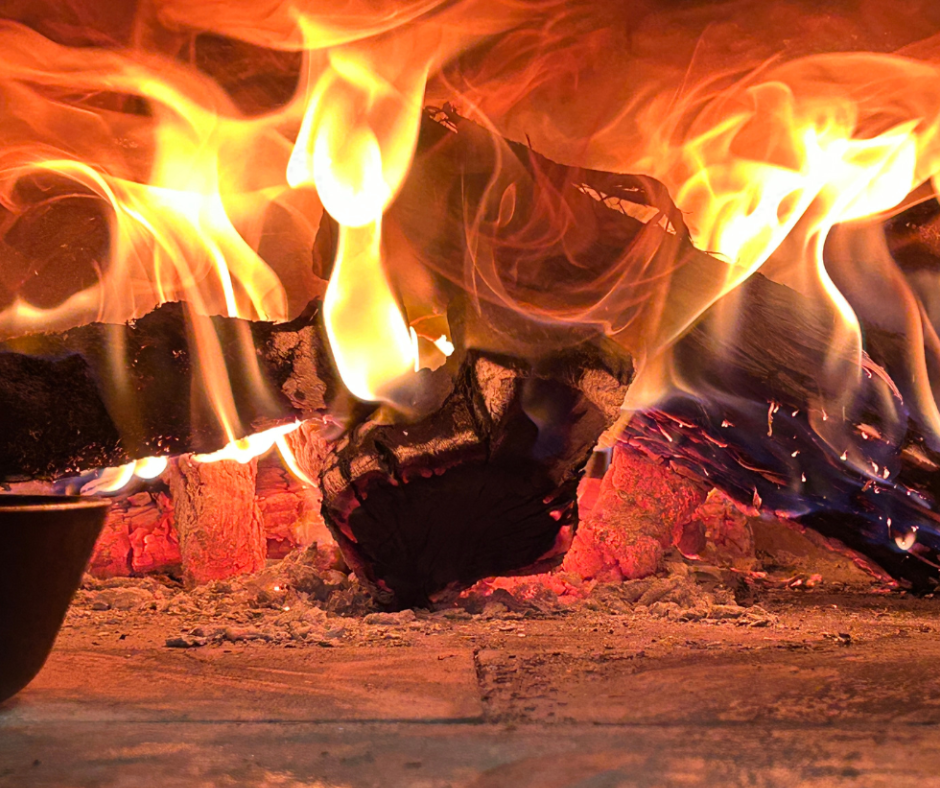
One of the most overlooked secrets in wood-fired cooking isn’t technique or temperature — it’s the wood itself. The species you choose becomes an invisible ingredient, quietly shaping every dish that passes through your oven’s mouth. Unlike a gas range or electric oven, a stone oven doesn’t just apply heat — it infuses. Aromatic compounds in the wood combust and vaporize, wrapping your food in a flavor profile as distinctive as any spice. Choosing the wrong wood can mute your cooking. Choosing the right one can elevate a simple loaf of bread or a backyard pizza into something genuinely memorable.
Here’s everything you need to know about the most common — and best — wood types for stone oven cooking.
Oak — The Gold Standard
Oak is the workhorse of wood-fired ovens for good reason. It burns hot, long, and consistent, making it ideal for getting your stone up to pizza-perfect temperatures (800–900°F). Its flavor is mild enough that it won’t overpower delicate foods, but present enough to add that signature wood-fired warmth and depth. Red and white oak are both excellent choices — white oak burns slightly cleaner with less residue on the oven walls.
Because of its reliability and neutral-leaning flavor, oak is the best starting point for anyone new to wood-fired cooking. It’s also the ideal base wood when blending — giving you the heat foundation that lets more aromatic woods shine on top.
Best for: pizza, artisan bread, roasted vegetables, and any long, high-heat cook.
Cherry — Sweet, Rich, and Beautifully Aromatic
Cherry wood produces a mild, sweet smoke with a faint fruitiness that pairs beautifully with meats and game. One of its most visible gifts is color — cherry smoke gives bread crusts and roasts a gorgeous deep mahogany finish that looks as good as it tastes. It doesn’t burn as hot as oak, so it’s best used in combination: oak for heat, cherry for flavor. Its smoke is smooth and never acrid, even when the wood is freshly split.
Cherry is a crowd-pleaser in the best sense. It adds character without dominating, making it one of the most useful blending woods in your arsenal.
Best for: lamb, pork, duck, flatbreads, and grilled stone fruit.
Hickory — Bold, Assertive, and Unmistakably American
Hickory is powerful. It produces a thick, heavy smoke with a strong, slightly bacon-like savory character that penetrates food deeply and lingers long after the fire is out. A little goes a very long way — too much hickory tips quickly into bitterness, especially on lighter foods. Used judiciously, though, it adds an incredible depth to robust cuts of meat.
Hickory is best used in small amounts alongside milder woods, or reserved exclusively for foods that can hold their own against it: beef brisket, pork shoulder, or wild game. It is not recommended for bread, fish, or anything with a delicate flavor profile.
Best for: beef, brisket, pork shoulder, wild game, and as a small accent in blends.
Mesquite — Earthy, Intense, and Lightning Fast
Mesquite burns hotter and faster than almost any other wood, making it ideal for searing and quick, high-temperature cooking. Its smoke is earthy and assertive with a slightly sharp, resinous edge — the classic Texas BBQ character. In a stone oven, it excels at achieving a beautifully charred exterior on steaks or flatbreads in just minutes. Because it burns so quickly, you’ll need to replenish it often, and because its flavor is so strong, restraint is key.
Mesquite is not suited for long bakes or delicate foods. Think of it as a tool for specific, short, high-heat applications rather than an everyday wood.
Best for: steaks, fast-fire pizza, char-roasted peppers, and other short, hot cooks.
Pecan — Nutty, Mellow, and Wonderfully Versatile
Pecan is often described as hickory’s more refined sibling. It shares hickory’s rich, nutty depth but brings more sweetness and far less aggression. It burns longer and more evenly, making it excellent for both fast, high-heat cooks and extended roasts. Pecan is one of the most versatile all-around woods in the wood-fired world — equally at home under a brisket, alongside a wheel of baked brie, or mixed with cherry for a complex, layered fire.
If you want the character of hickory without the risk of overpowering your food, pecan is almost always the better choice.
Best for: poultry, beef, baked cheeses, and mixed wood blends.
Blending Woods: The Oven Master’s Trick
Once you’re comfortable with your oven’s rhythms, blending woods is where the real artistry begins. The general principle is simple: use a reliable hardwood like oak or pecan as your base (roughly 60–70% of the fire), layer in a sweeter fruitwood like cherry or apple for aroma (20–30%), and use bold woods like hickory or mesquite sparingly as an accent (10% or less). Think of it like seasoning — the base gives you structure, the fruitwood gives you fragrance, and the accent gives you edge.
Always use well-seasoned, dried wood. Green or wet wood smokes excessively and deposits creosote — a bitter, tar-like residue — on your food and oven walls. And never use softwoods like pine, cedar, or spruce in a cooking oven. They contain resins that produce harmful compounds when burned.
A Word on Wood Quality
The best wood species in the world won’t save you if it’s poorly seasoned. Properly dried wood has been split and left to season for at least 6–12 months. It will feel noticeably lighter than green wood, show visible cracks at the ends of the logs, and produce a clean, hollow sound when two pieces are knocked together. Store it off the ground, covered from rain but open to airflow — a simple lean-to or covered stack works perfectly.
Matching Wood to What’s on the Menu
Think of wood selection the same way you’d think about wine pairing: lighter foods want lighter smoke, bolder foods can carry bolder flavors. Pizza and artisan bread are best served by oak’s clean, reliable heat. Pork loves the sweetness of cherry or apple. Beef welcomes the punch of hickory or pecan.
When in doubt, start with oak. It’s the most forgiving, most widely available, and most consistent performer across every category of dish. Once you’re confident with your oven, start experimenting with blends — that’s where cooking with fire becomes a genuine craft.
The right wood won’t just cook your food — it’ll tell a story about where it came from, how it was grown, and the kind of cook you’re becoming. Bread Stone Ovens are built for a lifetime of that kind of discovery.