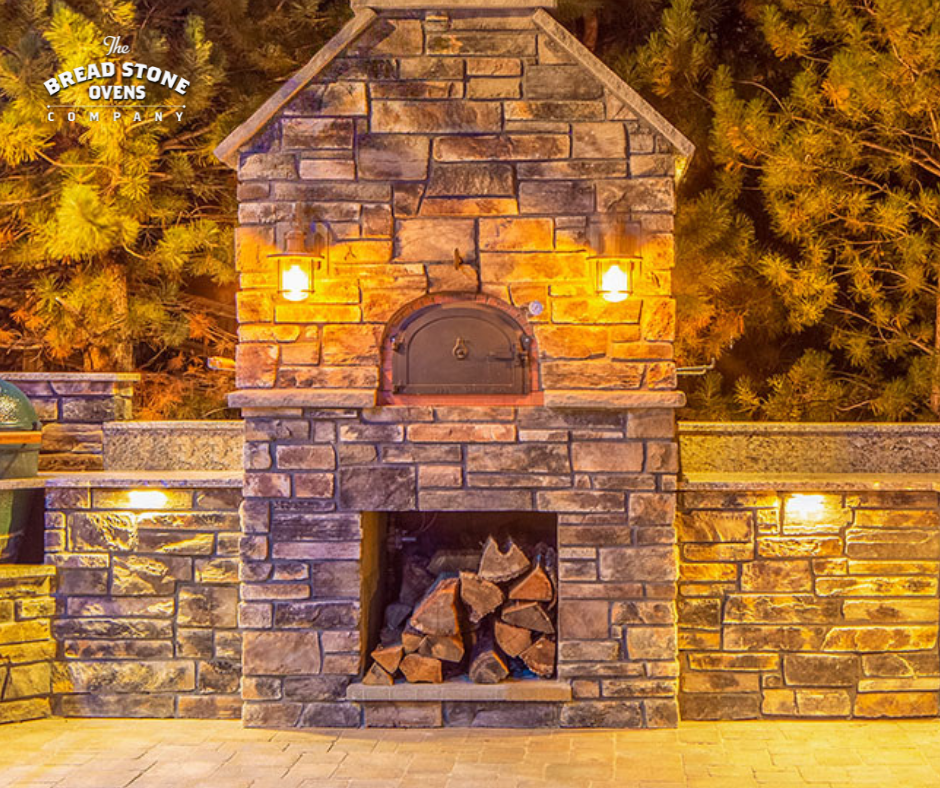

There is something about autumn that makes a wood-fired oven feel more at home than ever. The air sharpens, the evenings arrive earlier, and the pull toward fire, warmth, and unhurried cooking grows stronger with every week that passes. The season invites a different relationship with your oven — slower, more contemplative, and in many ways more rewarding than the quick, high-heat cooks of summer.
If you’ve been using your oven primarily for pizza through the warmer months, autumn is a natural moment to broaden what you ask of it.
A Change of Pace
Summer cooking in a wood-fired oven tends to be fast. High heat, short cooks, food in and out quickly. That pace suits the season — warm evenings, casual gatherings, the desire for something simple and immediate. Autumn shifts things. The ingredients that come into their own in fall — dense squashes, root vegetables, sturdy greens, apples and pears, game meats, legumes, whole grains — are ingredients that benefit from time and gentle, penetrating heat rather than speed.
The stone oven accommodates this shift beautifully. Its thermal mass, which stores enormous amounts of heat in the walls, dome, and floor, is equally capable of sustaining a long, moderate cook as it is of hitting the extreme temperatures needed for pizza. Learning to work with the oven as it slowly descends through its temperature range over the course of an evening is one of the most satisfying skills a wood-fired cook can develop — and autumn, with its longer nights and unhurried mood, is the perfect season to develop it.
Working With the Full Temperature Range
One of the things that distinguishes an experienced wood-fired cook from a beginner is the ability to use the oven across its entire temperature range rather than only at its peak. In autumn, this becomes especially relevant.
A fire built to full temperature for an initial high-heat cook will, as it dies down over the following hours, pass through a long and useful descent. The oven that was at 800°F an hour ago may be at 500°F now, and 350°F an hour after that. Each of those temperatures opens a different cooking window. Understanding when to put food in, and what that food should be, turns a single evening’s fire into two or three distinct courses of cooking — each suited to the heat available at that moment.
This is how wood-fired ovens were used for centuries before modern kitchen appliances made temperature control instant and precise. The baker would fire the oven, bake bread at the peak temperature, then use the descending heat for roasts, then for slower braises and stews, and finally for anything that needed only residual warmth to finish. That logic is as sound today as it ever was, and autumn is the season that makes it feel most natural to practice.
The Role of the Fire Itself
In the warmer months, the fire is often a means to an end — something you build, manage, and eventually push to the side so the oven floor can do its work. In autumn, the fire becomes more of a presence in its own right. Cooking alongside a live fire on a cool evening is one of the genuine pleasures of owning a wood-fired oven, and it changes the character of the time spent outdoors.
Autumn is also a good season to think more carefully about your wood selection. The bolder, more aromatic hardwoods that might have felt overpowering on lighter summer ingredients come into their own alongside the robust flavors of fall cooking. Oak and pecan provide the steady, reliable heat that long autumn cooks demand. Cherry and apple bring a warmth and sweetness that suits the season’s palate. If you’ve been working mostly with a single wood type through the summer, fall is a rewarding time to experiment with blends and notice how they shape what comes out of the oven.
Autumn and the Social Life of the Oven
A wood-fired oven has always been a social object. There is something about a live fire and the smell of wood smoke that draws people together in a way that a kitchen oven simply doesn’t. In summer, that gathering tends to happen quickly — people arrive, pizza gets made, the evening moves fast. Autumn slows it down.
When the air is cool and the fire is going, people tend to linger. The oven becomes the center of an evening rather than just the means of producing a meal. Drinks are poured, conversation settles in, and the cooking becomes a shared, unhurried activity rather than a performance. This is one of the less obvious but deeply satisfying aspects of wood-fired cooking in the fall — it creates a kind of time that is increasingly rare.
If you haven’t yet had the experience of spending a full autumn evening around your oven, building the fire slowly, cooking across the temperature range, and letting the night unfold around it, that experience is worth planning for.
Keeping the Oven Ready Through the Season
Autumn is also the time to be mindful of your oven’s maintenance as conditions begin to change. Cooler temperatures and increased rainfall mean moisture management becomes more important. After each cook, allow the oven to cool naturally and keep it covered when not in use. If you’re cooking less frequently than you did in summer, consider building a maintenance fire every few weeks to keep the thermal mass dry and the oven ready.
As the season progresses toward its end, take time to inspect the exterior for any cracks or render damage that should be addressed before winter sets in. Refractory repairs are best made while temperatures are still mild enough for the materials to cure properly. A little attention in autumn goes a long way toward making sure your oven comes through winter in good shape and is ready to perform when spring arrives.
An Invitation to Cook Differently
More than anything, autumn is an invitation to use your oven differently than you have been. To slow down, to experiment, to pay attention to the fire and the heat in a more deliberate way. The season rewards patience, and so does a wood-fired stone oven. The two are well matched.
The oven you’ve been cooking pizza in all summer is the same oven that can carry you through months of deeply satisfying autumn cooking. All it takes is a willingness to build the fire a little earlier, let it burn a little longer, and see what the season brings.