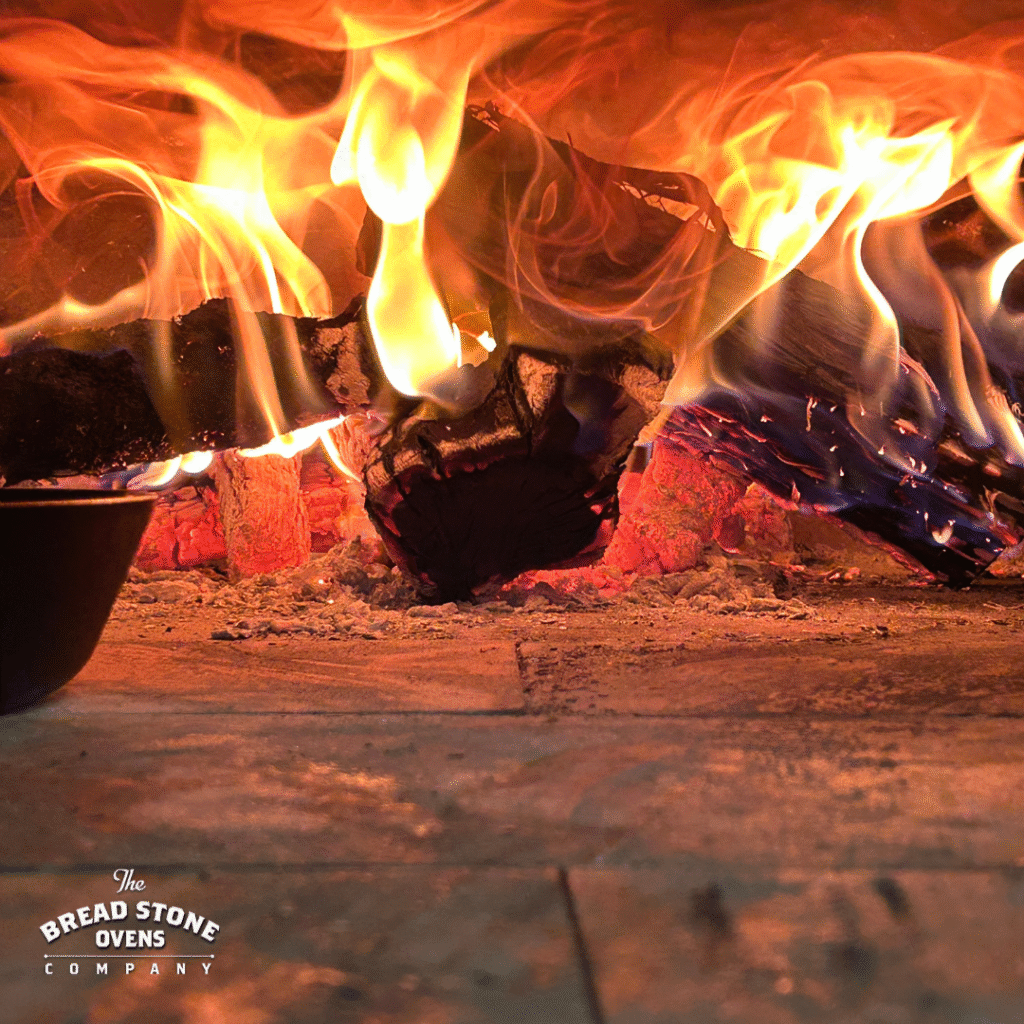

Cooking in a wood-fired brick oven is an art form that hinges on one critical element: temperature control. The high heat and unique cooking environment are what make brick ovens so versatile, but learning to harness that heat is the key to perfecting everything from pizzas to slow-cooked stews.
In this guide, we’ll walk you through mastering heat zones and cooking temperatures to unlock your oven’s full potential.
Why Temperature Control Matters
Unlike conventional ovens, brick ovens don’t have a temperature dial. Instead, you control the heat by managing the fire and positioning your food in different areas of the oven. Mastering this skill allows you to cook a variety of dishes to perfection—searing, roasting, baking, or even slow cooking.
1. Building the Perfect Fire
Temperature control starts with a well-built fire. Follow these steps for consistent heat:
- Start with Kindling: Use small, dry sticks to create a strong initial flame.
- Add Larger Logs Gradually: Once the fire is established, add hardwood logs like oak or hickory to maintain steady heat.
- Position the Fire: Keep the fire burning on one side of the oven to create zones with varying temperatures.
- Preheat Thoroughly: Allow at least 45 minutes for the oven to reach the desired cooking temperature.
2. Understanding Heat Zones in a Brick Oven
A wood-fired oven naturally creates different heat zones, allowing you to cook a wide range of dishes simultaneously. Here’s how to identify and use these zones:
- High-Heat Zone (Near the Fire): The area closest to the fire is ideal for high-temperature cooking, like searing meats or cooking pizzas at 750°F to 900°F.
- Medium-Heat Zone (Center of the Oven): This zone is great for roasting vegetables, baking bread, or cooking casseroles at 500°F to 700°F.
- Low-Heat Zone (Opposite Side of the Fire): The farthest zone from the fire is perfect for slow-cooked dishes, desserts, or keeping food warm at 300°F to 400°F.
Pro Tip: Use an infrared thermometer to measure the temperature in each zone and adjust as needed.
3. Optimal Temperatures for Different Dishes
Here’s a quick guide to the ideal cooking temperatures for popular dishes in your brick oven:
- Pizza: 750°F–900°F
High heat ensures a crisp, bubbly crust and perfectly cooked toppings in under 2 minutes. - Bread: 450°F–550°F
The retained heat after the fire dies down is perfect for baking loaves with a crunchy crust and soft interior. - Vegetables: 500°F–600°F
Roast veggies to caramelized perfection in the medium-heat zone. - Meats: 500°F–700°F
Sear steaks near the fire for a crusty exterior, or slow-roast large cuts in the lower-heat zone. - Desserts: 300°F–400°F
Use residual heat to bake cobblers, cakes, or even caramelized fruits.
4. Managing and Adjusting Temperatures
Fine-tuning the temperature in your oven involves managing the fire and using tools effectively:
- Add Wood for High Heat: Add small pieces of wood to the fire to quickly increase temperature.
- Spread Embers for Even Heat: Distribute the embers across the oven floor to create a consistent cooking surface.
- Dampers and Doors: If your oven has a door, use it to trap heat for baking or slow-cooking. A damper can help regulate airflow and control the intensity of the fire.
- Cool Down for Delicate Dishes: Let the oven cool naturally or move food to the low-heat zone for gentle cooking.
5. Cooking in Residual Heat
One of the unique benefits of a brick oven is its ability to retain heat for days after the fire dies down. Use this residual heat for dishes like:
- Bread Baking: Utilize the heat drop-off for perfectly baked loaves.
- Slow-Cooked Meats: Braise or roast cuts like lamb shanks or pork shoulders overnight.
- Desserts: Finish with baked treats like fruit crumbles or cookies.
6. Tools to Help You Master Heat Control
Investing in the right tools can make temperature control much easier:
- Infrared Thermometer: For accurate heat readings.
- Fire Rake: To manage embers and adjust the fire.
- Pizza Peel: For safely moving food in and out of the oven.
- Cast Iron Cookware: Retains heat well and withstands the oven’s high temperatures.
7. Practice Makes Perfect
Mastering temperature control takes practice, so don’t be afraid to experiment. Every oven has its quirks, and learning how yours behaves will help you achieve consistent results. Keep a notebook to jot down your cooking times, temperatures, and outcomes to refine your techniques over time.
The Science of Perfect Heat
What makes brick ovens so special is their ability to create an environment where heat, fire, and food work together harmoniously. By understanding heat zones and managing temperatures effectively, you can unlock the full potential of your wood-fired oven.
Ready to Turn Up the Heat?
At Bread Stone Ovens, we specialize in crafting high-quality brick ovens designed to help you master the art of wood-fired cooking. Whether you’re a home cook or a professional chef, our ovens provide the perfect platform for creating incredible dishes.
Contact us today to learn more or to join one of our workshops, where you’ll gain hands-on experience with temperature control, fire management, and more.