
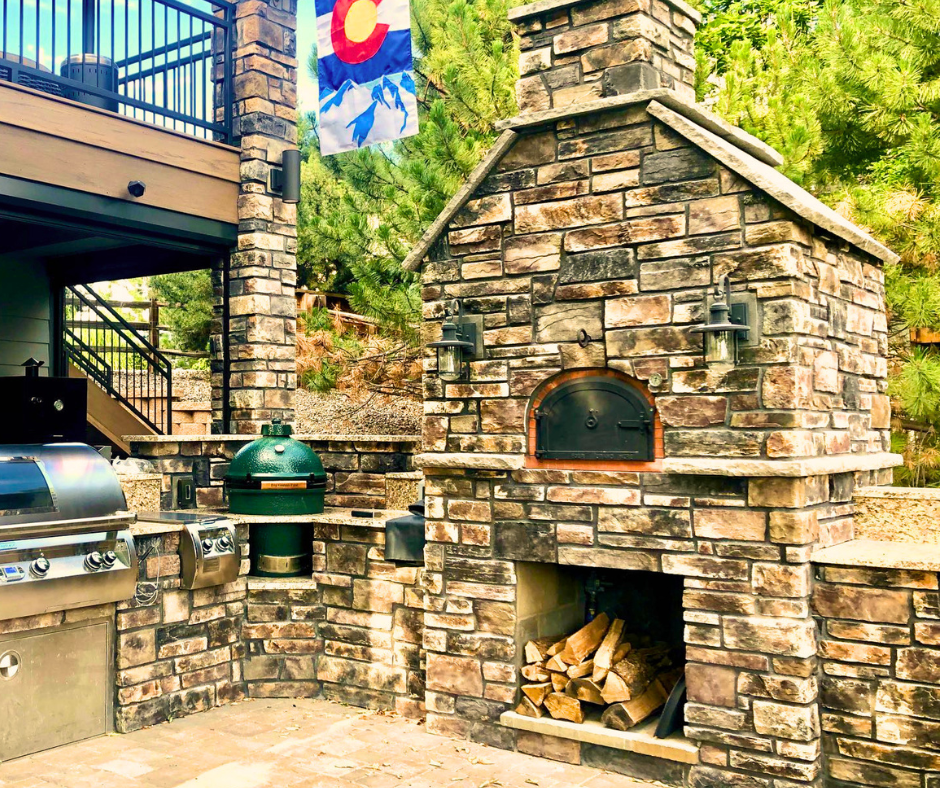
October arrives with a particular kind of energy. The warmth of early autumn is gone, replaced by something crisper and more deliberate. Mornings carry a chill that lingers longer each week. The trees are turning. The days are shortening. And the instinct to gather around something warm — to cook slowly, eat well, and stay outside just a little longer than the temperature might suggest — grows stronger with every passing day.
For wood-fired oven owners, October is a month that rewards attention. The conditions are right, the ingredients are at their peak, and there is no better backdrop for a live fire than a clear October evening with the smell of leaves in the air.
The October Cooking Mindset
Something shifts in the way we think about cooking as October settles in. The casual, improvisational spirit of summer gives way to something more considered. We start thinking about depth of flavor rather than freshness alone. We reach for ingredients that have spent the season storing energy — roots pulled from the ground, squashes that have hardened on the vine, apples that have finished on the tree. These are ingredients built for heat, and they respond to a wood-fired oven in ways that feel genuinely seasonal.
October is also the month when the descending-heat style of wood-fired cooking starts to make the most sense. Build a fire in the late afternoon, let it reach full temperature, use that peak heat for whatever wants it most, and then cook through the evening as the oven slowly, steadily comes down through its range. By the time the fire has been out for an hour, the oven is still holding warmth. That warmth is useful, and October nights make you want to use it.
Firing the Oven in October Conditions
Cooler ambient temperatures in October affect how your oven behaves in ways worth understanding. A cold oven on a cold morning takes longer to come up to temperature than it did in July. The thermal mass absorbs more of the initial heat energy before the walls and floor begin to radiate it back. This isn’t a problem — it simply means building your fire a little earlier and giving it more time before you start cooking.
Wind is another October consideration. As weather systems become more active through the month, breezy conditions can affect how your oven draws and how evenly your fire burns. If you notice the fire pulling strongly to one side or the flue struggling to draft properly, adjusting the door position can help manage airflow. A partially closed door on a windy day often produces a steadier, more controllable fire than a fully open one.
On particularly cold evenings, the contrast between the oven’s warmth and the surrounding air becomes one of the genuine pleasures of cooking outdoors. The oven radiates heat outward as well as inward, and standing near a fully fired stone oven on a cold October night is its own reward, entirely apart from whatever is cooking inside it.
What October Brings to the Table
The produce available in October is some of the most oven-friendly of the entire year. Dense, starchy vegetables that need sustained heat to break down and caramelize. Root vegetables that have spent months concentrating their sugars underground. Hard squashes with thick flesh that becomes silky and deeply flavored under prolonged heat. Apples and pears that have reached peak ripeness and lend themselves to both savory and sweet applications. Brassicas — Brussels sprouts, cauliflower, cabbage — that char and sweeten beautifully at high temperatures.
These ingredients are not delicate. They don’t need to be handled gently or cooked briefly. They want heat and time, and they reward both generously. A wood-fired oven’s ability to deliver high, dry, radiant heat and then sustain a long, moderate temperature as it descends makes it an almost ideal environment for the full range of what October’s markets have to offer.
Game meats, which come into season in October across much of the country, are another natural fit. Their robust flavor and lean texture respond well to the intense, smoky heat of a wood fire, and the choice of wood becomes especially meaningful when cooking something with as much character as venison or wild boar. This is the time of year to be deliberate about what you burn.
October Entertaining: A Different Kind of Gathering
The nature of outdoor entertaining changes in October, and the wood-fired oven changes with it. Summer gatherings tend to be open and easy — people move around, graze, and keep things light. October gatherings pull inward. People cluster near the heat. Conversations deepen. The evening has a shape to it, with the fire at its center.
This makes the oven even more of a social focal point than it is in warmer months. Guests who might have wandered the yard in July will find themselves drawn to stand near the oven in October, watching the fire, asking questions, wanting to be involved. The cooking becomes more of a communal experience — unhurried, participatory, and deeply connected to the time of year.
If you’re planning to host around your oven in October, build the fire earlier than you think you need to and let the oven warm slowly while people arrive. The sight and smell of a wood fire already burning when guests show up sets a tone that no amount of decoration can replicate. By the time you’re ready to cook, the oven is ready too, and the evening has already found its rhythm.
A Note on Wood Selection in October
As temperatures drop and the season’s ingredients grow bolder, it’s worth revisiting your wood choices. October cooking tends to involve more robust flavors than summer cooking, which means the wood has more to work with and less risk of overpowering the food.
Oak remains the reliable backbone — consistent heat, clean burn, mild flavor that suits everything from bread to roasted meats. But October is a genuinely good time to experiment with more expressive blends. Cherry adds a warmth and sweetness that feels appropriate to the season. Pecan brings a nutty depth that complements the earthier flavors of fall ingredients. A fire built mostly on oak with a meaningful proportion of cherry or pecan behaves well and produces a cooking environment that feels distinctly autumnal in character.
Whatever you’re burning, make sure your wood is well seasoned. As the air becomes more humid through October and into November, the temptation to use wood that isn’t fully dry can increase. Resist it. Wet wood at this time of year is particularly problematic — it smokes heavily, burns unevenly, and makes temperature management difficult precisely when temperature management matters most.
Keeping the Oven Protected as the Month Progresses
October is a transitional month, and by its end the conditions your oven faces are meaningfully different from those at its beginning. Rain becomes more frequent in most parts of the country. Overnight temperatures in many regions begin to approach or reach freezing by the last week of the month. This is the time to make sure your oven cover is in good condition and being used consistently between cooks.
If you haven’t already done your autumn inspection — checking the exterior render for cracks, examining the dome interior, clearing the flue — do it now while temperatures are still mild enough to make any necessary repairs properly. The window for refractory work closes as sustained cold weather arrives, and a repair made in October will hold through winter far better than one attempted in the cold.
Cook as much as you can this month. Frequent use is one of the best things for your oven through the transitional season — a regularly fired oven stays dry, maintains its thermal equilibrium, and is far less vulnerable to the moisture-related issues that affect ovens that sit unused for long stretches.
Make the Most of the Month
October doesn’t last long, and neither does the particular quality of cooking it makes possible. The combination of cool air, peak seasonal ingredients, earlier evenings that naturally extend into long fires, and the deep pleasure of gathering around warmth outdoors is specific to this time of year. It passes quickly, and by the time November arrives, the character of the season has already shifted toward something more closed-in and wintry.
Use your oven this month. Build fires on weeknights, not just weekends. Try things you haven’t tried before. Pay attention to how the oven behaves differently than it did in summer. Notice the wood smoke against the cold air, the way the heat radiates outward in the dark, the particular satisfaction of a long cook on a cool evening.
October rewards the cook who shows up for it.
Questions about cooking through the fall season or preparing your oven for winter? The Bread Stone Ovens team is here to help.

